
The Best Pilot Training for Juniors in the UK

Starting a journey in aviation at a young age can be both exciting and rewarding. For juniors interested in flying, finding the right training program is crucial. The UK offers some of the best opportunities for young aspiring pilots to develop their skills safely and effectively. In this article, I will share insights into the best pilot training for juniors, practical advice on what to look for, and how to make the most of these early experiences.
Understanding Pilot Training for Juniors
Pilot training for juniors is designed to introduce young people to the fundamentals of flying in a structured and supportive environment. These programs often combine theoretical knowledge with hands-on experience, allowing juniors to build confidence and skills progressively.
When choosing a training program, consider the following:
Age requirements: Most junior pilot programs start from around 10 to 16 years old.
Course content: Look for courses that cover basic aerodynamics, navigation, meteorology, and safety.
Flight experience: Some programs offer introductory flights or simulator sessions.
Instructor qualifications: Ensure instructors are certified and experienced in teaching young learners.
Facilities and equipment: Modern simulators and well-maintained aircraft enhance learning.
Many junior pilot training programmes also include teamwork and leadership activities, which are valuable for personal development beyond flying skills.

What to Expect from Junior Pilot Training in the UK
Junior pilot training in the UK is structured to be both educational and enjoyable. The curriculum typically includes classroom lessons, simulator practice, and actual flight time when appropriate. Here’s what you can expect:
Ground School
This is where juniors learn the theory behind flying. Topics include aircraft controls, weather patterns, air traffic rules, and navigation techniques. Ground school builds a solid foundation for practical flying.
Simulator Training
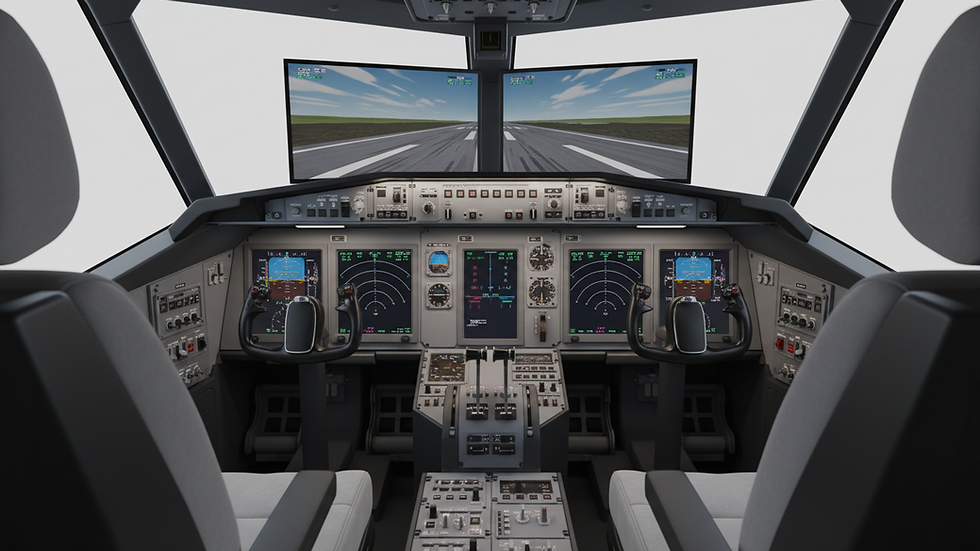
Flight simulators provide a safe environment to practice flying skills. They help juniors understand cockpit instruments and procedures without the risks of real flight.
Introductory Flights
Many programs offer supervised flights with an instructor. This hands-on experience is invaluable for understanding how theory translates into practice.
Safety Training
Safety is paramount. Juniors learn emergency procedures, communication protocols, and how to handle unexpected situations.
Progressive Skill Development
Training is tailored to the junior’s age and ability, ensuring steady progress without overwhelming them.
The UK’s aviation community supports junior training with clubs and events, encouraging young pilots to connect and grow their passion.
Do any airlines pay for pilot training in the UK?
When it comes to funding pilot training, the situation varies. Some airlines in the UK offer sponsorship or cadet schemes that cover part or all of the training costs. These schemes are competitive and often require candidates to meet specific criteria, such as academic qualifications and aptitude tests.
However, these opportunities are generally aimed at adult trainees rather than juniors. For younger students, funding usually comes from personal investment or scholarships offered by aviation organisations and flying clubs.
If you are considering a career in aviation, it’s worth researching airline cadet programmes early. They can provide a clear pathway to becoming a commercial pilot, but they typically start after completing initial training and reaching the required age.
How to Choose the Right Junior Pilot Training Programme
Selecting the best junior pilot training programme involves careful consideration. Here are some practical tips to help you make an informed decision:
Visit Training Centres
Touring facilities allows you to see the environment and meet instructors. This helps assess the quality of equipment and teaching style.
Check Reviews and Testimonials
Feedback from other juniors and parents can provide insight into the programme’s effectiveness and atmosphere.
Ask About Progression Paths
Good programmes offer clear routes to advanced training and pilot licences.
Consider Location and Schedule
Choose a centre that is accessible and offers classes at convenient times.
Look for Accreditation
Training providers should be recognised by relevant aviation authorities.
Trial Sessions
Some centres offer taster sessions or trial lessons. These are excellent for juniors to experience flying before committing.
By following these steps, you can find a programme that matches your goals and ensures a positive learning experience.
Benefits of Early Pilot Training for Juniors
Starting pilot training at a young age offers several advantages:
Skill Development
Juniors develop technical skills, problem-solving abilities, and hand-eye coordination.
Confidence Building
Learning to fly boosts self-esteem and decision-making skills.
Career Preparation
Early exposure helps juniors understand the demands of aviation and prepares them for future training.
Networking Opportunities
Joining aviation clubs and events connects juniors with mentors and peers.
Discipline and Responsibility
Flying requires focus and adherence to rules, fostering maturity.
These benefits extend beyond aviation, supporting personal growth and academic success.
Final Thoughts on Junior Pilot Training in the UK
Choosing the best pilot training for juniors in the UK is an important step towards a rewarding aviation journey. With the right programme, young learners gain valuable skills, confidence, and a clear understanding of what it takes to become a pilot. Remember to research thoroughly, visit training centres, and consider your long-term goals.
If you are ready to explore options, I recommend starting with reputable providers that offer a balanced mix of theory, simulator practice, and real flight experience. For those interested, you can find more information about junior pilot training uk programmes online.
Embarking on this path early can open doors to a future in aviation, whether as a hobby or a professional career. Take the first step today and watch your passion for flying take off.


Comments